Industrial Equipment Guide For Modern Industry
Modern industries are evolving at an extraordinary pace. Companies are under constant pressure to produce faster, reduce operational costs, improve quality standards, and maintain workplace safety. As technology continues to reshape industrial environments, businesses are looking for smarter ways to stay competitive while meeting growing market demands. Understanding the role of industrial equipment has never been more important for organizations aiming to achieve long-term success.
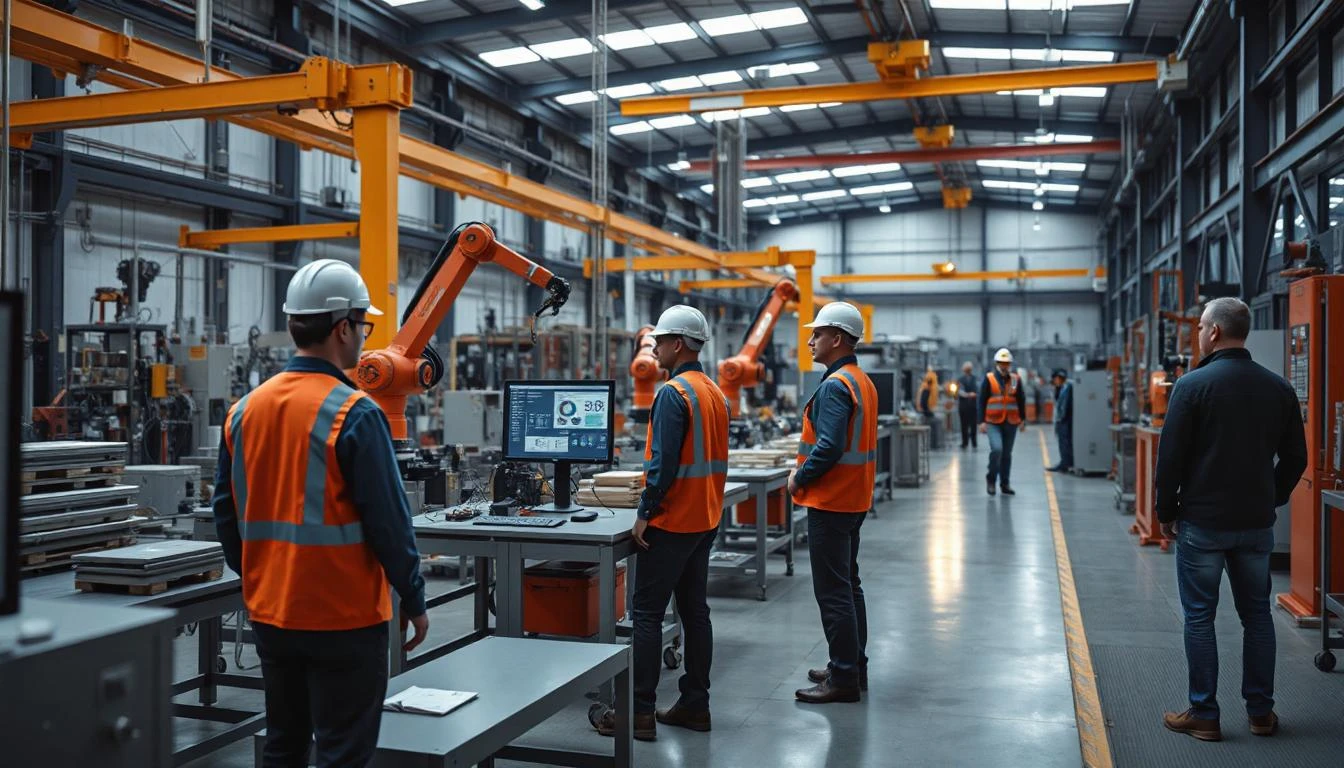
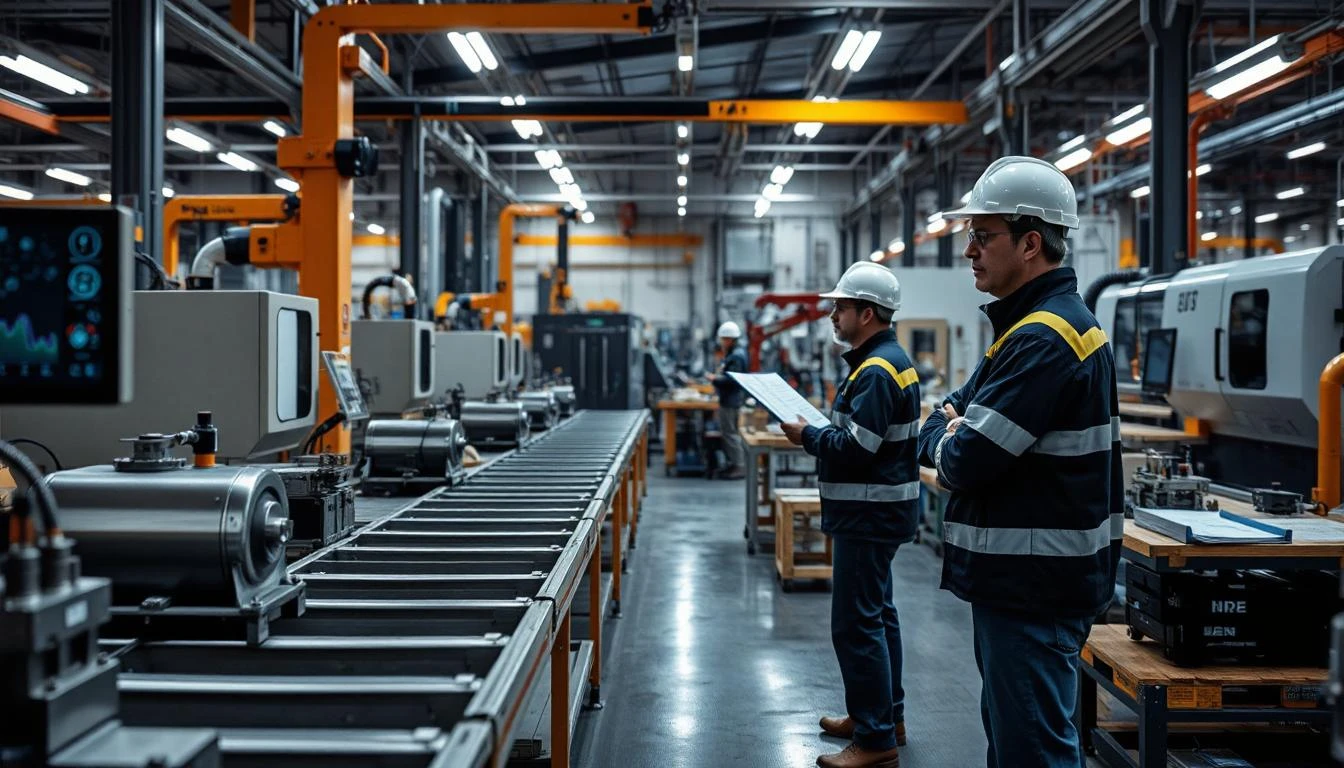
At the center of this transformation is heavy industrial equipment, which serves as the backbone of manufacturing plants, construction projects, logistics facilities, and energy operations around the world. From automated production lines to advanced machinery powered by intelligent monitoring systems, industrial equipment has become a strategic investment that directly influences productivity, efficiency, and profitability.
The Importance Of Industrial Equipment In Modern Industry
Industrial growth depends on more than just skilled workers and strong management. Behind every successful operation is a network of machines and systems designed to keep production moving efficiently. Businesses that invest in the right equipment often gain a significant advantage in terms of output quality, operational consistency, and long-term scalability.
Today, manufacturing equipment plays a critical role in helping industries adapt to changing customer expectations and global competition. Whether a company operates in automotive manufacturing, food processing, metal fabrication, or electronics production, reliable equipment remains a fundamental pillar of sustainable growth.
Role of industrial equipment in production efficiency
Production efficiency is one of the primary reasons companies invest in modern industrial equipment. Advanced machinery can perform repetitive tasks with remarkable accuracy while minimizing human error and reducing production delays. This allows businesses to maximize output without sacrificing quality.
Efficient equipment also helps reduce material waste and optimize resource utilization. When production processes run smoothly, companies can fulfill customer demands faster and improve overall profitability. In many industries, even a small improvement in operational efficiency can result in substantial financial gains over time.
How equipment supports large scale manufacturing
Large-scale manufacturing requires consistency across every stage of production. Industrial machinery enables businesses to produce thousands of units with uniform quality while maintaining strict production schedules.
Automated assembly systems, industrial presses, CNC machines, and high-capacity processing equipment make large-scale production possible. These technologies help manufacturers increase production volume while maintaining precision standards that would be difficult to achieve through manual processes alone.
Management expert Peter Drucker once stated that efficiency is doing things right, while effectiveness is doing the right things. This principle perfectly reflects how industrial equipment supports both operational excellence and strategic business growth.
Impact on productivity and safety
Productivity and workplace safety are closely connected in modern industrial environments. Equipment equipped with intelligent sensors, automated shutdown systems, and real-time monitoring technology helps reduce workplace risks while improving operational performance.
Safer working conditions often lead to higher employee confidence and greater productivity. When workers can focus on their responsibilities without unnecessary safety concerns, businesses benefit from improved efficiency and reduced downtime caused by workplace incidents.
Types Of Industrial Equipment Used Today
The industrial sector relies on a wide variety of equipment designed to perform specific tasks. As technology advances, many traditional machines are being enhanced with automation capabilities, data analytics, and predictive maintenance features.
Understanding the major categories of industrial equipment can help decision-makers identify solutions that align with their operational requirements and future growth objectives.
Heavy machinery and production equipment
Heavy machinery remains one of the most important categories within industrial operations. Equipment such as hydraulic presses, generators, compressors, turbines, industrial pumps, and large-scale production systems are designed to handle demanding workloads in challenging environments.
These machines provide the power and durability necessary for industries such as mining, construction, manufacturing, and energy production. Their ability to operate continuously under heavy loads makes them essential for maintaining productivity in large-scale operations.
Automation and robotic systems
Automation has transformed industrial production in ways that were once unimaginable. Robotic systems can perform repetitive tasks with exceptional speed and precision, allowing businesses to increase output while maintaining consistent quality standards.
Modern robotic solutions are increasingly integrated with artificial intelligence and machine learning technologies. These systems can analyze operational data, identify inefficiencies, and support predictive maintenance strategies that minimize costly downtime.
Technology entrepreneur Elon Musk has frequently emphasized that automation is a key driver of future manufacturing competitiveness. As industries continue embracing digital transformation, robotic systems are becoming a standard component of modern production facilities.
Material handling equipment
Moving materials efficiently throughout a facility is essential for maintaining productivity. Material handling equipment includes forklifts, conveyor systems, pallet movers, automated guided vehicles, and warehouse automation solutions.
These systems help streamline workflows, reduce manual labor requirements, and improve inventory management. As supply chains become increasingly complex, efficient material handling solutions play an even greater role in supporting operational success.
How To Choose The Right Industrial Equipment
Selecting industrial equipment involves much more than comparing specifications or purchase prices. Businesses must carefully evaluate their operational goals, production requirements, and long-term growth strategies before making investment decisions.
The right equipment should not only solve current challenges but also provide flexibility for future expansion and technological advancements.
Assessing production needs and capacity
Before purchasing equipment, companies should conduct a thorough assessment of their production requirements. Understanding production volume targets, workflow complexity, available floor space, and future expansion plans helps ensure the selected equipment aligns with operational objectives.
Many businesses searching for the best industrial solutions often focus on long-tail considerations such as best equipment for high-volume manufacturing, scalable production systems for growing factories, and advanced machinery for modern industrial operations. These factors should always be evaluated before committing to a major investment.
Understanding durability and performance
Durability is one of the most important factors influencing equipment value. Machinery that consistently performs under demanding conditions typically delivers a stronger return on investment over its operational lifespan.
Businesses should carefully review performance metrics, technical specifications, reliability records, and manufacturer support services. Equipment that offers superior durability often results in lower maintenance costs and reduced operational disruptions.
Modern facilities are also increasingly prioritizing technologies such as industrial automation, smart manufacturing, predictive maintenance, digital monitoring systems, and factory optimization platforms. These related technologies contribute significantly to long-term equipment performance and operational efficiency.
Considering cost and maintenance requirements
The purchase price of industrial equipment represents only a portion of total ownership costs. Installation expenses, training requirements, maintenance schedules, spare parts availability, and energy consumption should all be considered during the evaluation process.
Organizations that adopt proactive maintenance strategies often extend equipment lifespan while reducing unexpected failures. A well-maintained machine can continue delivering reliable performance for many years, making maintenance planning just as important as the initial investment decision.
Improve Efficiency With Modern Industrial Equipment Solutions
As industries move deeper into the era of digital transformation, modern equipment is becoming increasingly intelligent. Advanced sensors, cloud-based monitoring systems, artificial intelligence, and predictive analytics are changing how businesses manage industrial operations.
Companies that embrace these innovations gain valuable insights into equipment performance, production trends, and operational efficiency. Instead of reacting to problems after they occur, businesses can identify potential issues early and implement corrective actions before disruptions impact productivity.
The future of industrial operations will be shaped by connected technologies that continuously optimize performance and improve decision-making. Organizations that invest in modern solutions today are positioning themselves to remain competitive in tomorrow’s