Manufacturing Tools For Efficient Production
Manufacturing has entered a new era where efficiency, consistency, and adaptability determine which businesses thrive and which struggle to keep up. Whether producing consumer goods, industrial components, or specialized equipment, companies are under constant pressure to improve output while maintaining exceptional quality. That challenge often starts with a single question: are the tools being used truly supporting long-term production goals?
Today, production tools manufacturing plays a central role in helping manufacturers achieve higher productivity, reduce operational waste, and maintain competitive advantages in global markets. As production demands continue to evolve, the ability to select and utilize the right tools has become one of the most important factors influencing operational success and sustainable growth.
The Role Of Manufacturing Tools In Production
Every successful manufacturing operation relies on tools that can deliver accuracy, consistency, and reliability day after day. Before exploring specific types of tools, it is important to understand why these resources have such a profound impact on production performance and business outcomes.
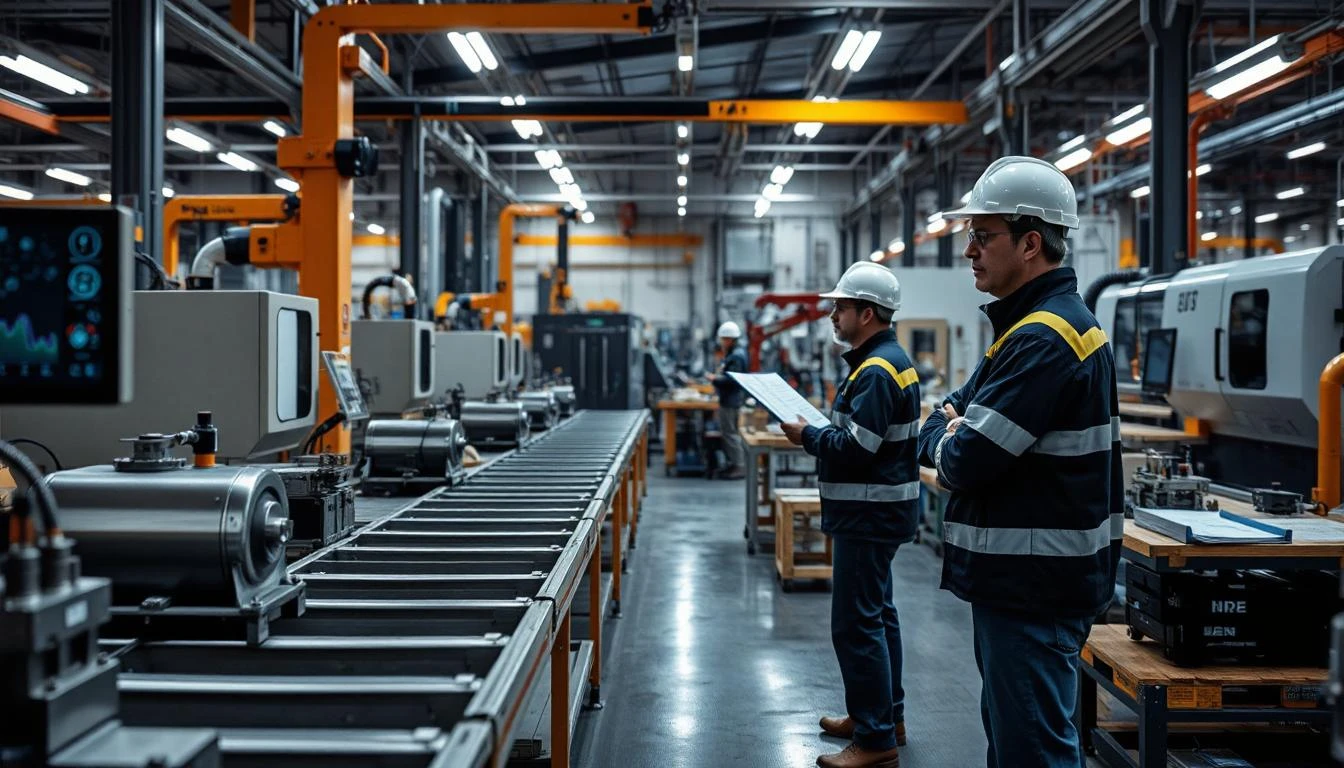
The rapid advancement of modern manufacturing equipment has transformed how factories operate, enabling businesses to achieve greater efficiency, improved quality control, and faster production cycles than ever before.
Why Tools Matter In Manufacturing Quality
Quality is rarely accidental. It is the result of well-designed processes supported by dependable manufacturing tools. When tools perform consistently, manufacturers can maintain precise specifications, reduce defects, and ensure that every product meets customer expectations.
This connection between tooling and quality has long been recognized by experts. As quality management pioneer W. Edwards Deming famously stated, "Quality is everyone's responsibility." In manufacturing environments, that responsibility begins with selecting tools capable of supporting consistent production standards across every stage of the workflow.
Advanced tooling solutions, precision measuring instruments, automated inspection systems, and quality assurance technologies all contribute to improved product reliability. These innovations help manufacturers minimize errors while maintaining efficiency in increasingly competitive markets.
Impact On Production Speed And Accuracy
Speed and accuracy often determine whether a production facility can meet customer demand while remaining profitable. Reliable manufacturing tools allow operators to perform tasks faster without sacrificing precision, creating a balance that directly supports operational success.
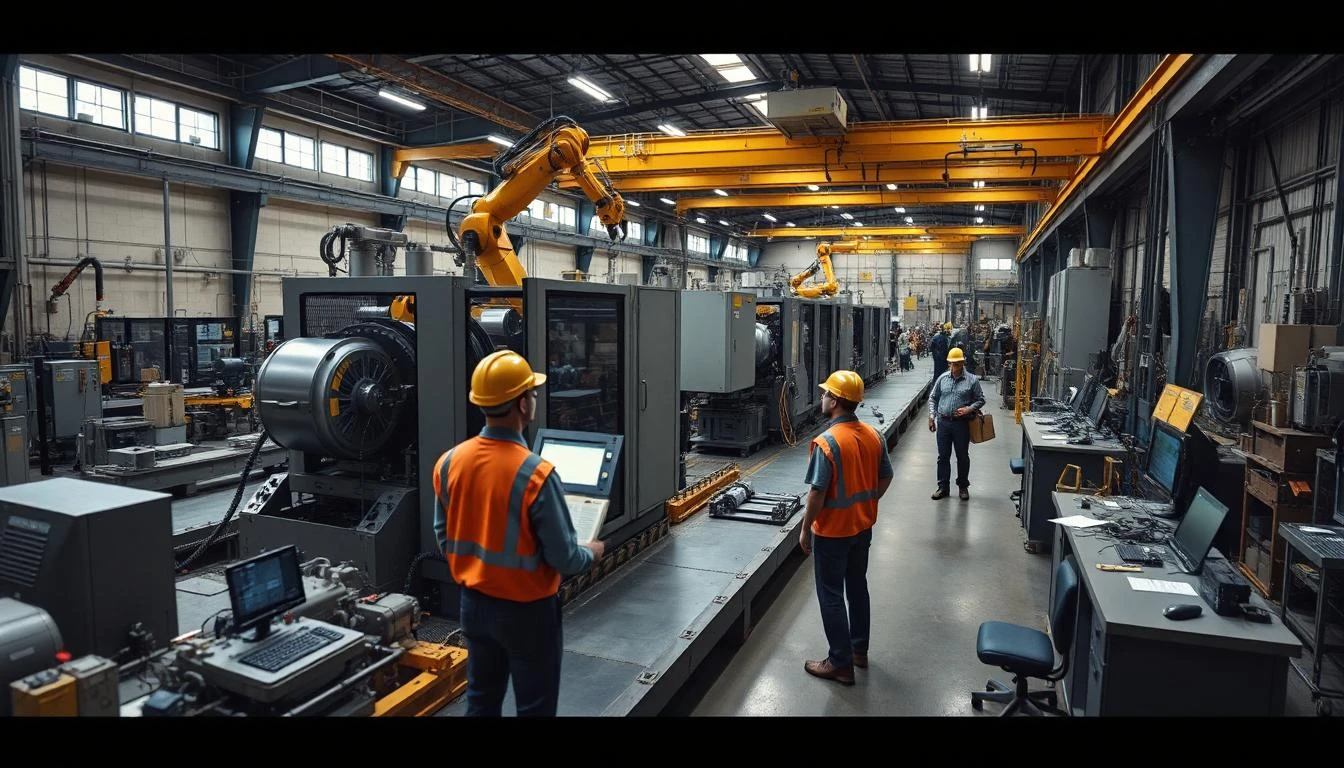
Modern production environments increasingly utilize CNC machinery, robotic systems, automated assembly equipment, and intelligent monitoring technologies. These solutions reduce bottlenecks, streamline workflows, and improve production consistency. As a result, businesses can increase throughput while maintaining strict quality requirements.
Manufacturers searching for the best manufacturing tools for high volume production often discover that strategic tooling upgrades generate significant productivity improvements without requiring complete facility overhauls.
Relationship Between Tools And Industrial Output
Industrial output depends heavily on the performance of the tools used throughout production. Efficient tools reduce downtime, improve process stability, and support continuous operations, allowing facilities to maximize capacity utilization.
The relationship becomes even more important as global competition intensifies. Manufacturers that invest in precision engineering solutions, industrial automation systems, smart factory technologies, and predictive maintenance programs often achieve stronger production performance than competitors relying on outdated equipment.
Essential Types Of Manufacturing Tools
Not all manufacturing tools serve the same purpose. Different production environments require different categories of equipment, each designed to support specific tasks and operational objectives. Understanding these categories helps manufacturers make smarter investment decisions.
Hand Tools For Industrial Work
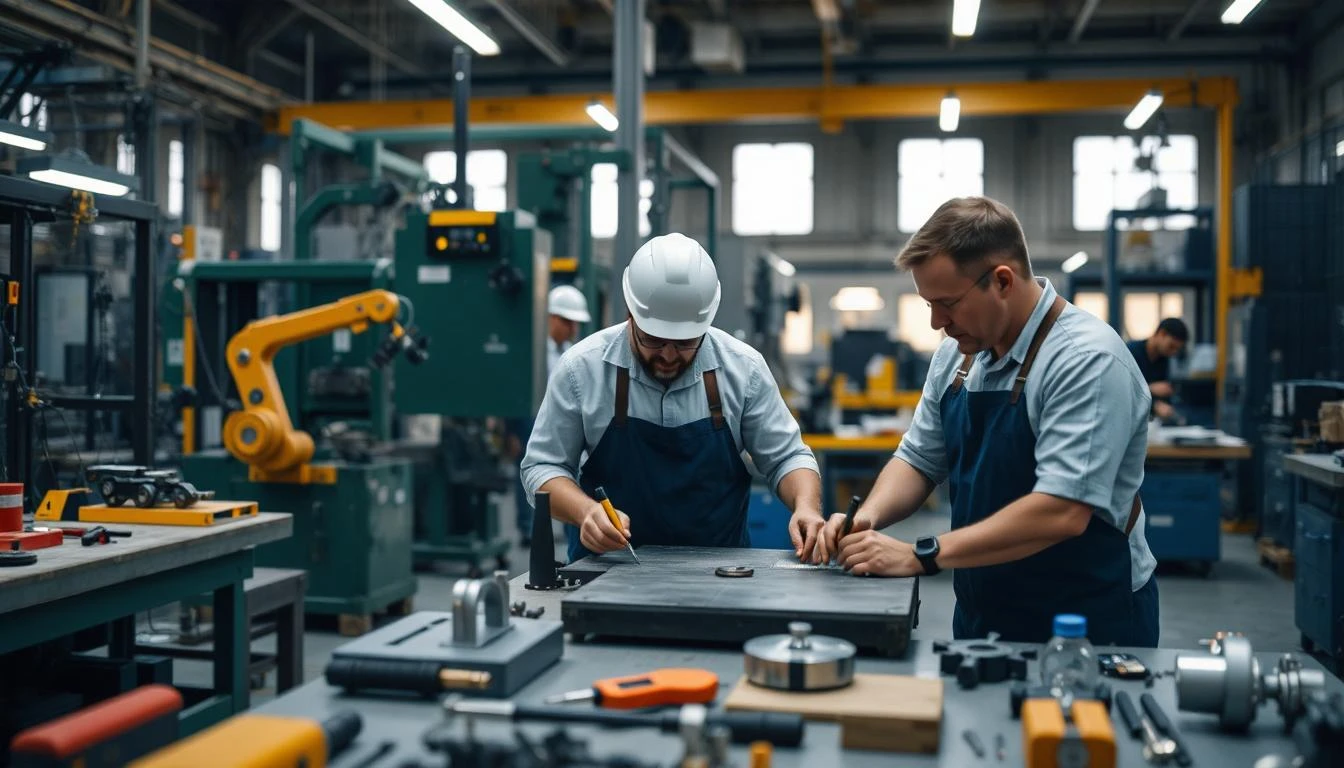
Despite the rise of automation, hand tools remain an essential component of many manufacturing facilities. Wrenches, pliers, screwdrivers, torque tools, and measuring devices continue to support assembly, maintenance, inspection, and repair activities.
High-quality industrial hand tools provide flexibility and precision in situations where automated solutions may not be practical. They also play a critical role in equipment maintenance, helping technicians keep production systems operating efficiently.
Machine Based Manufacturing Tools
Machine-based manufacturing tools represent the foundation of modern industrial production. CNC machining centers, milling machines, lathes, injection molding systems, and robotic workstations enable manufacturers to produce large quantities of components with remarkable consistency.
As manufacturing consultant Peter Drucker once observed, "Efficiency is doing things right; effectiveness is doing the right things." This principle perfectly reflects the value of machine-based tooling, where selecting the right equipment can dramatically improve both productivity and overall operational effectiveness.
Manufacturers evaluating how to choose manufacturing tools for industrial production often prioritize machine-based systems because they offer scalability, repeatability, and long-term performance advantages.
Precision And Cutting Tools
Precision and cutting tools are essential whenever accuracy and surface quality are critical requirements. Drills, end mills, cutting inserts, grinding equipment, laser cutters, and precision measurement instruments help ensure products meet exact specifications.
As industries continue adopting advanced manufacturing technologies, the demand for high-performance tooling systems has increased significantly. Precision tools help reduce material waste, improve product quality, and support tighter production tolerances that modern markets increasingly demand.
How To Select The Best Manufacturing Tools
Selecting manufacturing tools is not simply about purchasing equipment. It involves understanding production goals, evaluating operational requirements, and considering long-term business value. A thoughtful approach can prevent costly mistakes while maximizing return on investment.
Matching Tools With Production Needs
Every manufacturing operation has unique requirements. Production volume, material characteristics, product complexity, and quality expectations all influence tooling decisions.
Manufacturers should begin by identifying workflow challenges and performance objectives. This approach helps ensure that selected tools align with actual production demands rather than short-term purchasing trends. Businesses looking for manufacturing tools that improve production efficiency and reduce downtime often achieve the best results through careful needs assessment.
Evaluating Tool Durability And Quality
Tool durability directly affects operational reliability. Frequent breakdowns, excessive wear, and inconsistent performance can disrupt production schedules and increase operating costs.
When evaluating tools, manufacturers should consider material quality, engineering standards, maintenance requirements, supplier reputation, and expected service life. Durable tools often provide superior long-term value despite higher initial investment costs.
Cost Efficiency And Long Term Value
While purchase price remains an important factor, focusing solely on upfront cost can be misleading. True value comes from evaluating total ownership costs, including maintenance expenses, productivity gains, energy efficiency, and replacement frequency.
Manufacturers searching for cost effective manufacturing equipment for modern factories often find that premium-quality tools deliver greater profitability over time through improved reliability and enhanced production performance.
Boost Productivity With Reliable Manufacturing Tools
As manufacturing continues to evolve, businesses that prioritize reliable tooling are better positioned to adapt to changing market demands and technological advancements. The right manufacturing tools do more than support production activities; they create opportunities for greater efficiency, stronger quality control, and sustainable growth.
When viewed from a long-term perspective, tooling investments become strategic assets rather than simple operational expenses. Companies that embrace innovation, precision, and reliability often build stronger foundations for future success while remaining competitive in increasingly demanding industries.
If you are evaluating ways to improve production performance, now may be the ideal time to reassess the tools supporting your operation. Small improvements today can create substantial gains tomorrow, making every investment in the right manufacturing tools a step toward stronger productivity and long-term manufacturing excellence.