
Machinery Guides For Industrial Operations
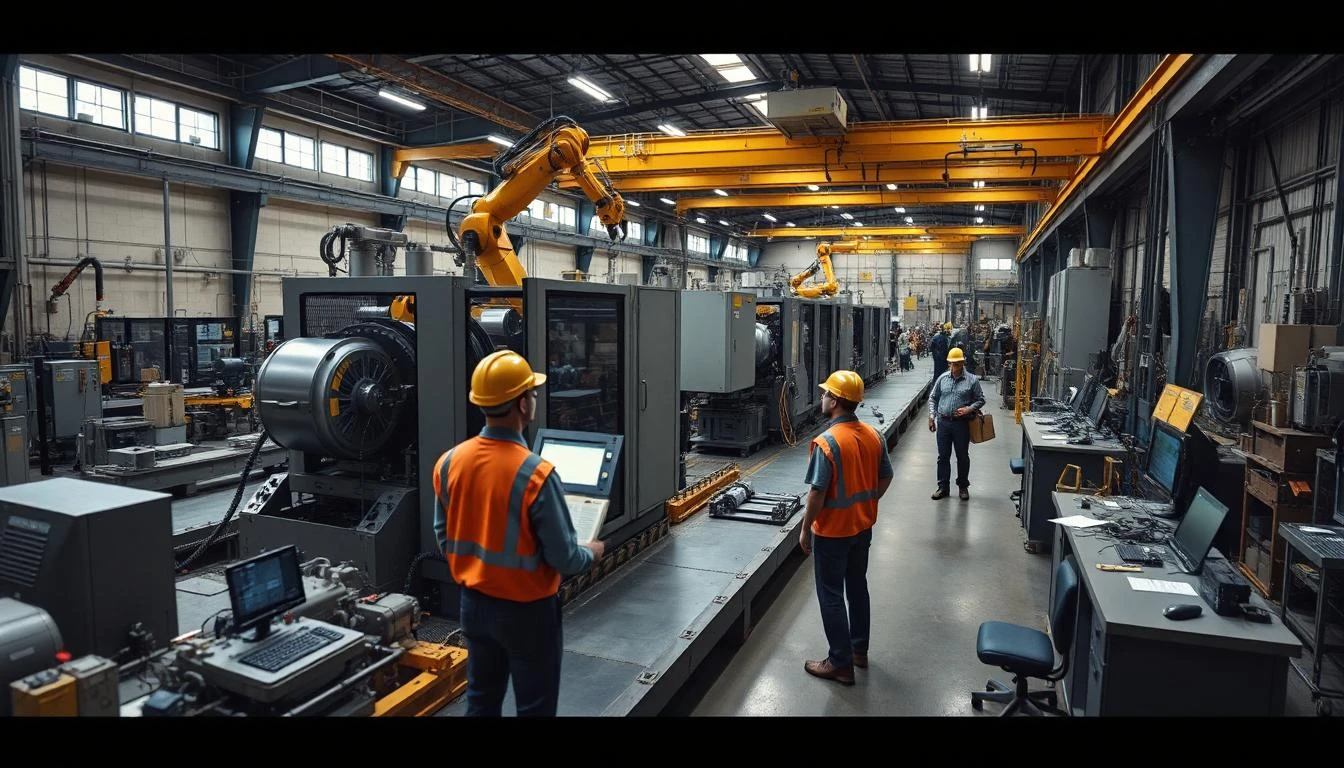
Industrial operations are becoming more sophisticated every year. From automated production lines to intelligent manufacturing systems, businesses are under constant pressure to improve productivity while maintaining safety and reliability. Yet many organizations overlook one critical factor that directly influences operational success: clear and comprehensive machinery guidance. Without proper documentation, even the most advanced equipment can become a source of inefficiency, costly errors, and unexpected downtime.
As industrial environments continue to evolve, a well-structured industrial machinery guide has become an essential resource for operators, technicians, supervisors, and facility managers. This valuable reference helps bridge the gap between machine capabilities and human performance, ensuring that equipment is used correctly, maintained properly, and optimized for long-term productivity. Understanding how machinery guides support industrial operations can reveal opportunities that many businesses fail to recognize until problems begin affecting production.
Why Machinery Guides Are Important In Industry
Every industrial facility relies on consistency, precision, and operational discipline. Machinery guides provide a standardized framework that helps employees understand how equipment should be installed, operated, maintained, and monitored throughout its lifecycle.
A comprehensive equipment maintenance guide also plays a crucial role in reducing uncertainty during daily operations. By providing clear maintenance schedules, inspection procedures, and troubleshooting recommendations, organizations can prevent minor issues from escalating into major operational disruptions.
Ensuring Safe Machine Operation
Safety remains one of the most important priorities in any industrial environment. Machinery guides establish clear procedures for startup, operation, emergency shutdowns, and hazard prevention, helping workers perform tasks with greater confidence and awareness.
When operators understand machine-specific safety requirements, the risk of workplace incidents decreases significantly. Proper documentation also helps organizations maintain compliance with industry regulations while creating a safer environment for everyone involved.
According to industrial management expert Jeffrey K. Liker, author of The Toyota Way, organizations achieve sustainable operational excellence when standardized procedures become part of everyday work. His observation highlights why machinery guides continue to be a cornerstone of industrial safety and performance.
Reducing Operational Errors and Downtime
Unexpected downtime can have a serious impact on productivity, delivery schedules, and profitability. Machinery guides help minimize these risks by providing clear instructions that reduce operator mistakes and improve consistency across shifts.
Detailed operating procedures ensure that employees follow the same workflows regardless of experience level. This consistency reduces process variation, improves product quality, and allows facilities to maintain stable production output even during periods of high demand.
Many manufacturers searching for ways to reduce downtime are discovering that stronger documentation often delivers faster results than expensive equipment upgrades. Small improvements in operational guidance can produce substantial gains in efficiency over time.
Supporting Workforce Training
Training new employees can be challenging, especially when equipment is complex or highly specialized. Machinery guides simplify the learning process by giving workers a reliable reference they can use throughout their development.
Rather than relying entirely on verbal instruction, companies can create standardized training programs supported by documented best practices. This approach helps new operators become productive more quickly while reducing the risk of misunderstandings that can affect equipment performance.
As workforce turnover continues to affect many industries, organizations that invest in quality machinery documentation are often better prepared to transfer knowledge and maintain operational continuity.
Key Elements Of Machinery Guides
Not all machinery guides are created equally. The most effective documents provide practical information that supports every stage of equipment ownership, from installation and operation to maintenance and troubleshooting.
When machinery guides are designed with real-world operational needs in mind, they become valuable resources that employees actively use rather than documents that remain stored and forgotten.
Installation and Setup Instructions
Successful equipment performance begins with proper installation. Machinery guides typically include detailed setup instructions covering site preparation, electrical requirements, calibration procedures, and environmental considerations.
Even minor installation mistakes can affect machine efficiency, reliability, and safety. Clear setup documentation helps organizations avoid costly errors while ensuring that equipment operates according to manufacturer specifications from day one.
Operating Procedures and Workflows
Operating procedures are essential for maintaining consistency across production environments. These sections explain how machinery should be started, monitored, adjusted, and shut down during normal operation.
Standardized workflows help employees make informed decisions while reducing variability in production processes. As a result, organizations can achieve more predictable outcomes, improve quality control, and strengthen overall operational performance.
Many modern facilities are also integrating digital manufacturing technologies into their machinery guides to ensure employees can effectively interact with automated systems and data-driven workflows.
Maintenance and Troubleshooting Tips
Maintenance guidance is often one of the most valuable sections within any machinery guide. Preventive maintenance schedules, lubrication requirements, inspection checklists, and troubleshooting procedures help organizations keep equipment operating at peak performance.
Industrial engineer and reliability expert John Moubray once emphasized that effective maintenance is not about fixing equipment after it fails but about preventing failures before they occur. This principle remains highly relevant in today's manufacturing environment, where even brief downtime can create significant operational challenges.
Organizations that prioritize preventive maintenance often experience longer equipment lifespans, lower repair costs, and improved production reliability.
Types Of Machinery Guides In Manufacturing
Manufacturing environments utilize a wide range of machinery, and each type of equipment requires specialized documentation. Understanding the different categories of machinery guides helps organizations ensure that employees have access to the information they need.
As production systems become increasingly complex, the role of targeted and equipment-specific documentation continues to grow in importance.
Heavy Machinery Operation Guides
Heavy industrial equipment requires detailed operational guidance due to its complexity and potential safety risks. These guides often include equipment specifications, load limitations, operating procedures, inspection requirements, and emergency response instructions.
Properly documented heavy machinery procedures help operators maximize performance while reducing unnecessary wear and minimizing safety concerns.
Automated System Manuals
Automation has transformed modern manufacturing by increasing productivity and reducing manual intervention. Automated system manuals explain programming functions, sensor integration, system diagnostics, and communication protocols used within advanced production environments.
These guides are especially important for facilities adopting smart manufacturing technologies, predictive maintenance systems, and industrial automation solutions that rely on interconnected equipment and real-time data.
Safety and Compliance Documentation
Industrial facilities must comply with various safety, environmental, and operational regulations. Safety and compliance documentation helps organizations understand regulatory requirements while providing guidance on inspections, audits, and risk management procedures.
Strong compliance documentation not only reduces legal and financial risks but also supports a culture of accountability and operational excellence throughout the organization.
Improve Efficiency With Proper Machinery Guidance
The true value of machinery guides extends far beyond simple instructions. They serve as strategic tools that support productivity, safety, workforce development, and long-term operational stability. Organizations that consistently update and improve their machinery documentation often position themselves to adapt more effectively to technological changes and evolving industry demands.
As manufacturing becomes increasingly competitive, businesses that treat machinery guides as living resources rather than static documents gain a significant advantage. Better documentation often leads to better decisions, better maintenance practices, and better operational outcomes. The companies achieving the highest levels of efficiency are frequently those that understand the connection between knowledge, consistency, and performance.
If there is one takeaway worth remembering, it is that every machine performs at its best when the people operating it have access to clear, accurate, and actionable guidance. Take a closer look at your current documentation and discover where improvements can unlock greater efficiency across your operations.
Ready to improve your industrial performance? Start by reviewing and strengthening your machinery guides today.